Blog

  • The Science of the Perfect Pizza Crust: From Dough to Done

    The Science of the Perfect Pizza Crust: From Dough to Done

    There’s a reason great pizza borders on the spiritual. That first bite — crackling crust giving way to a pillowy, airy interior, the tang of fermented dough mingling with sweet tomato and molten cheese — isn’t an accident. It’s the result of centuries of craft, a little food science, and an obsession with doing things right. At Black Box Pizzaco, that obsession lives in every pie we make. Let’s take you behind the dough.

    It All Starts with the Right Flour

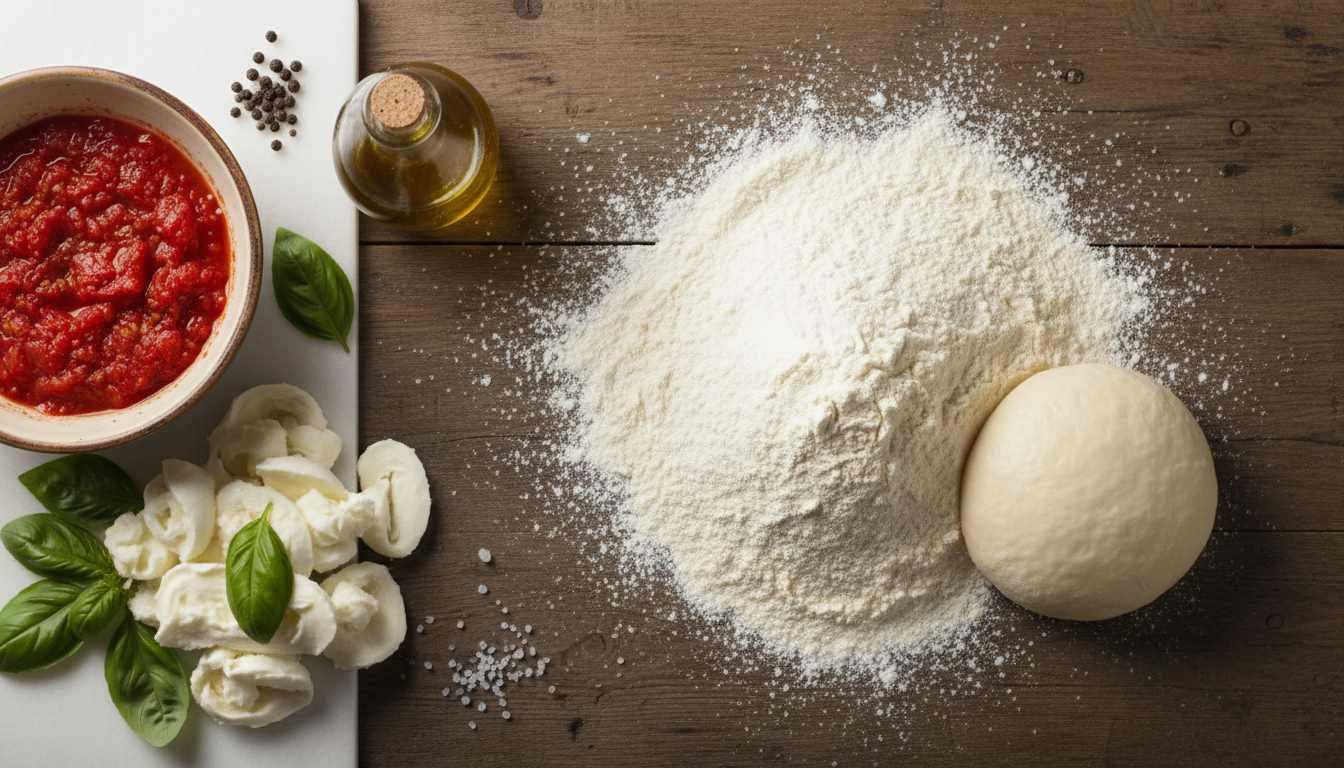
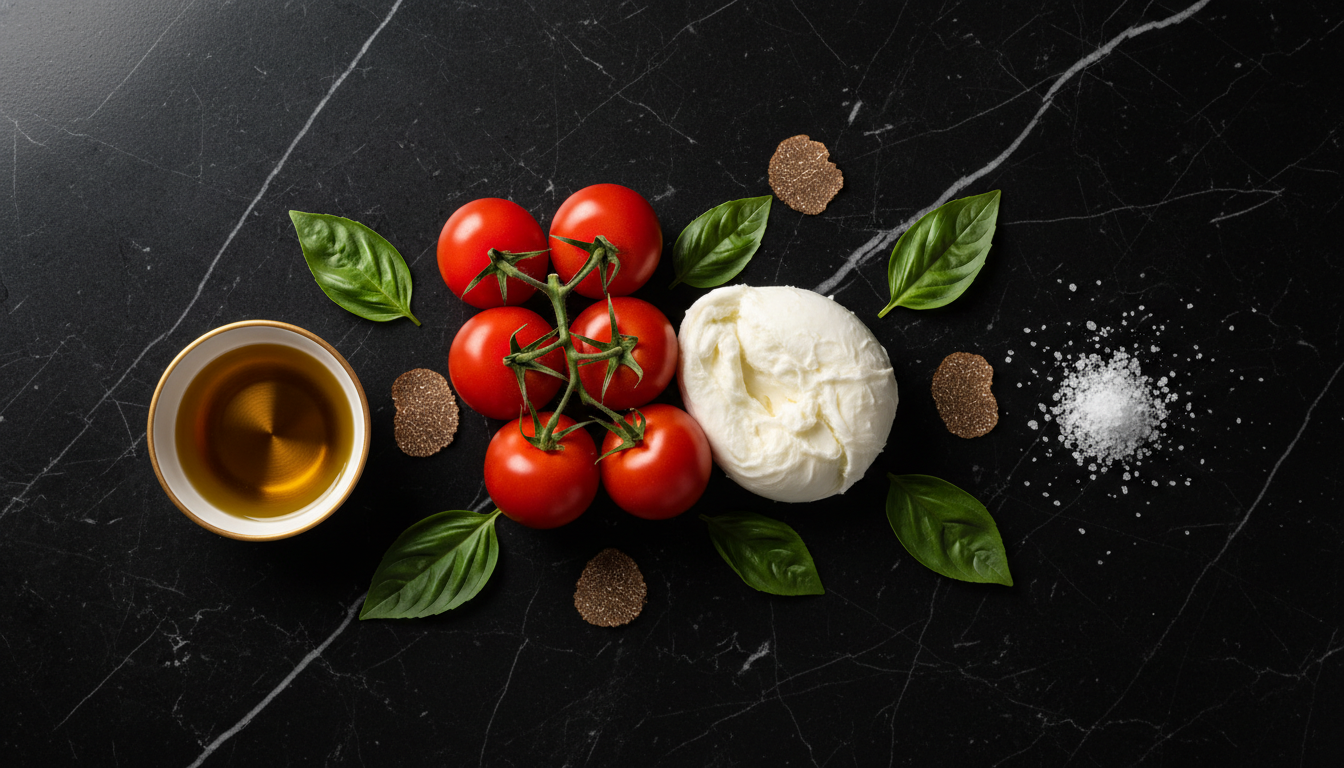
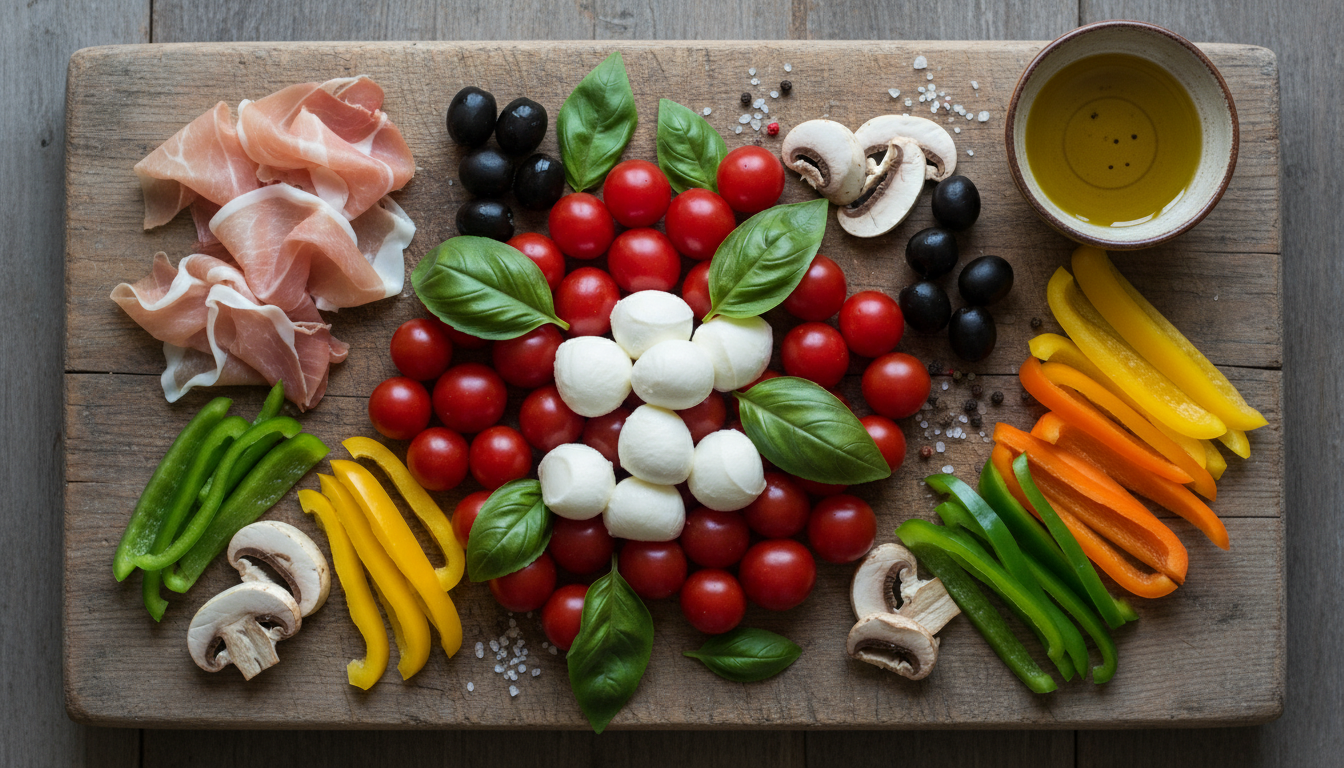
    Not all flour is created equal. The secret weapon of Neapolitan-style pizza is finely milled “00” flour — a soft wheat flour with a protein content of around 11–12%. That fine grind produces a silky, extensible dough that stretches without tearing and bakes to a light, digestible crust. Pair it with the right hydration level (typically 60–65% water by weight), and you’ve already won half the battle before you’ve touched a rolling pin — which, for the record, you should never use on a proper pizza dough.

    Fresh artisan pizza ingredients including flour, mozzarella, tomatoes and basil
    The building blocks of a great pizza: quality ingredients make all the difference.

    The Magic of Fermentation

    Here’s where patience separates the good from the unforgettable. After mixing, pizza dough needs time — real time. A cold fermentation of 24 to 72 hours in the refrigerator allows the yeast and naturally occurring bacteria to slowly break down the starches and proteins in the flour. The result? A dough with complex, slightly sour flavor notes, improved digestibility, and those gorgeous irregular air bubbles that give a great crust its signature texture. Rush this step and you’ll have flat, flavorless dough. Respect it, and you’ll have something worth writing about.

    The Stretch: Where Skill Meets Science

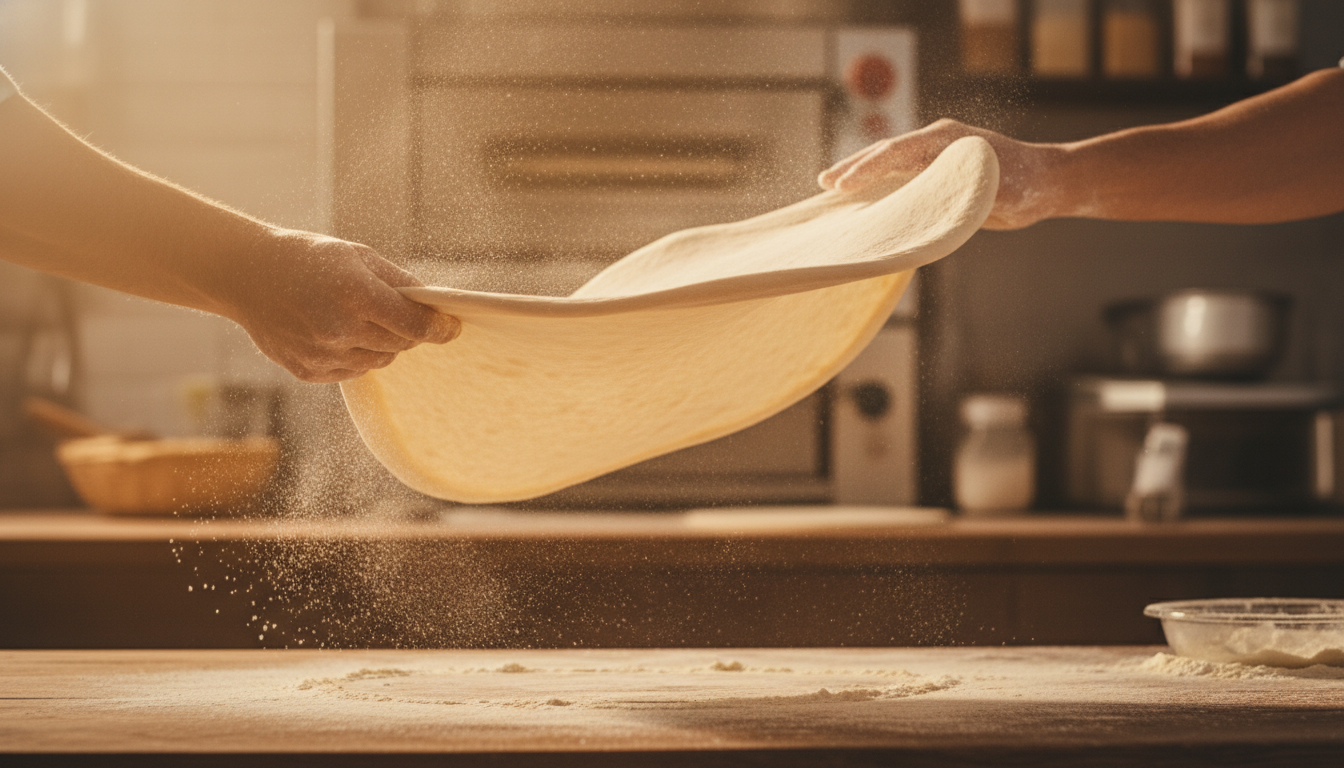
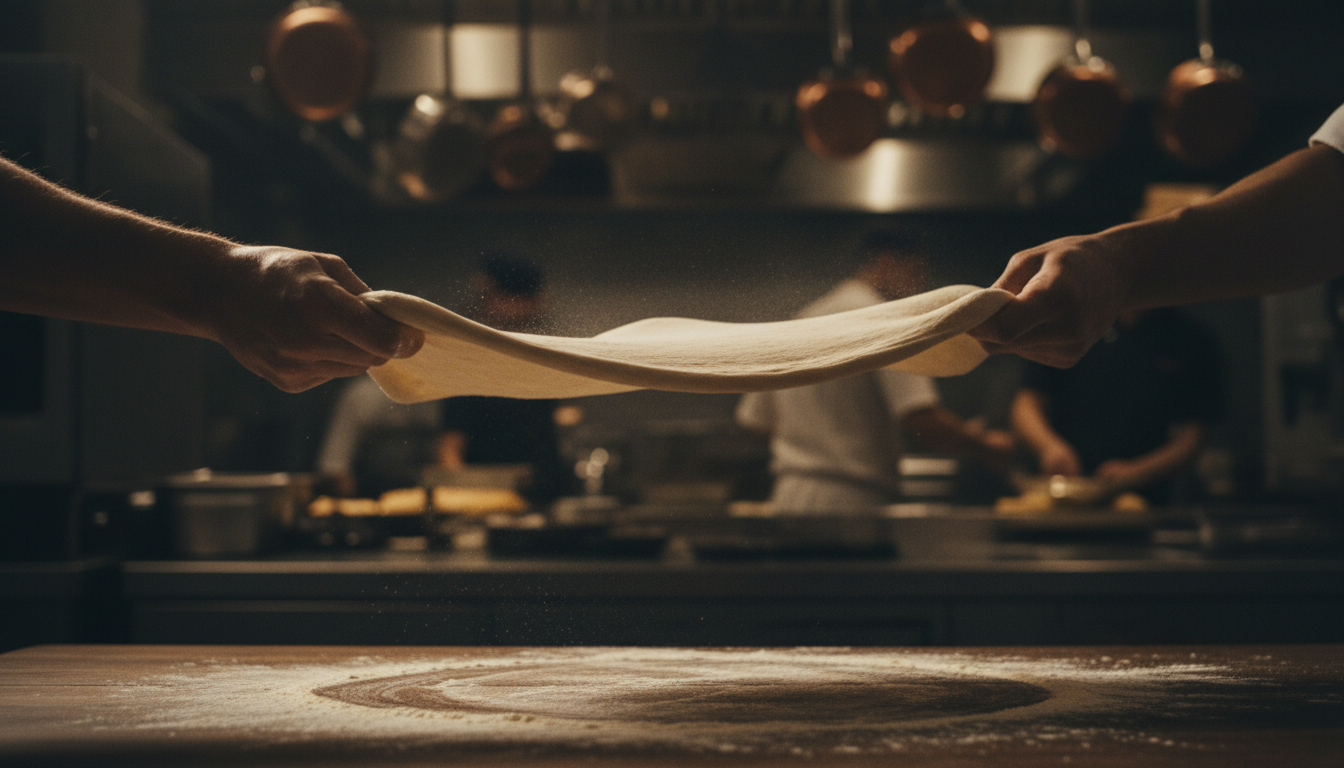
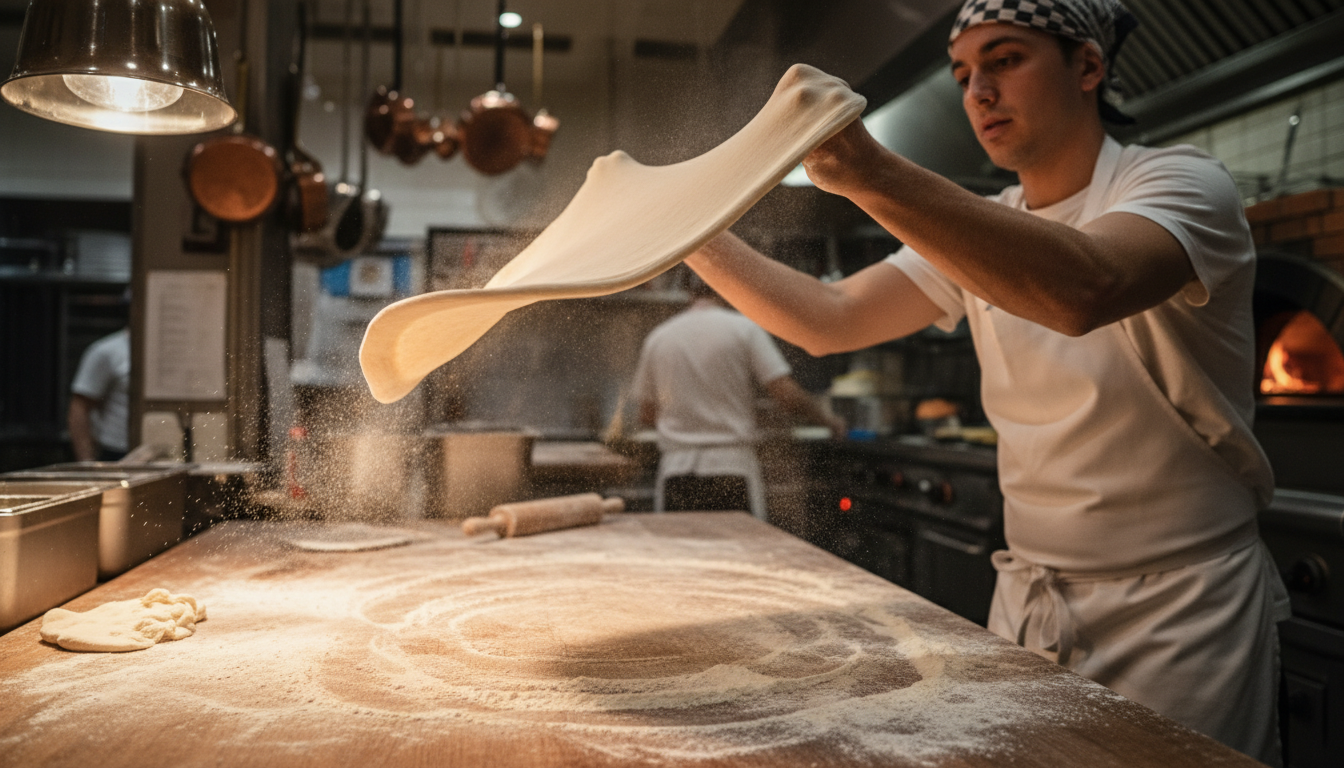
    Once the dough has fermented, it’s time to shape it — and this is where the artistry really begins. Forget the rolling pin. Proper pizza shaping is done entirely by hand, using the weight of the dough itself to stretch it gently and evenly from the center outward. The goal is to push the gas bubbles from the center toward the outer edge, building up that thick, airy cornicione (the crust rim) that acts as both structural frame and the best bite in the whole pie. Tossing the dough in the air isn’t just for show — the rotation stretches it more evenly than any tool can.

    Skilled baker hands stretching fresh pizza dough dusted with flour
    Stretching dough by hand is a skill honed over thousands of pies — no rolling pins allowed.

    Fire Is the Final Ingredient

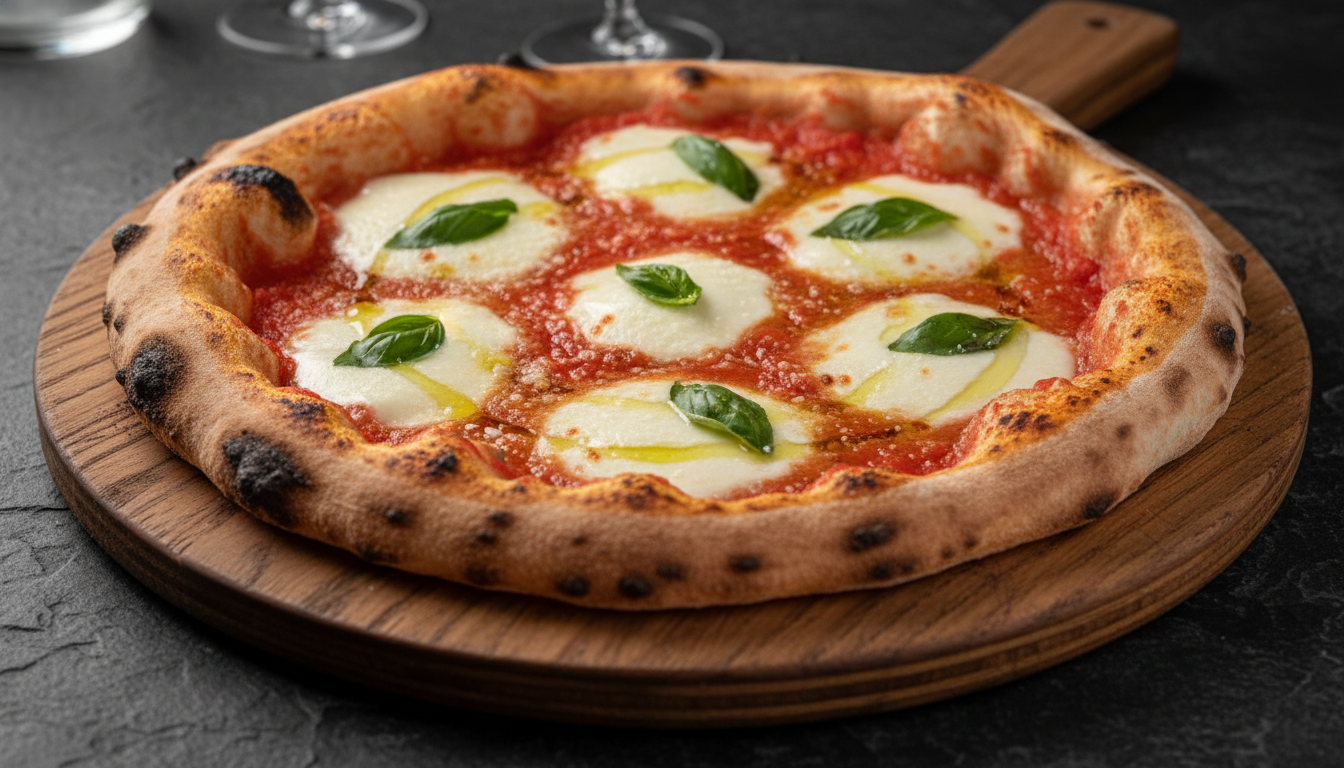
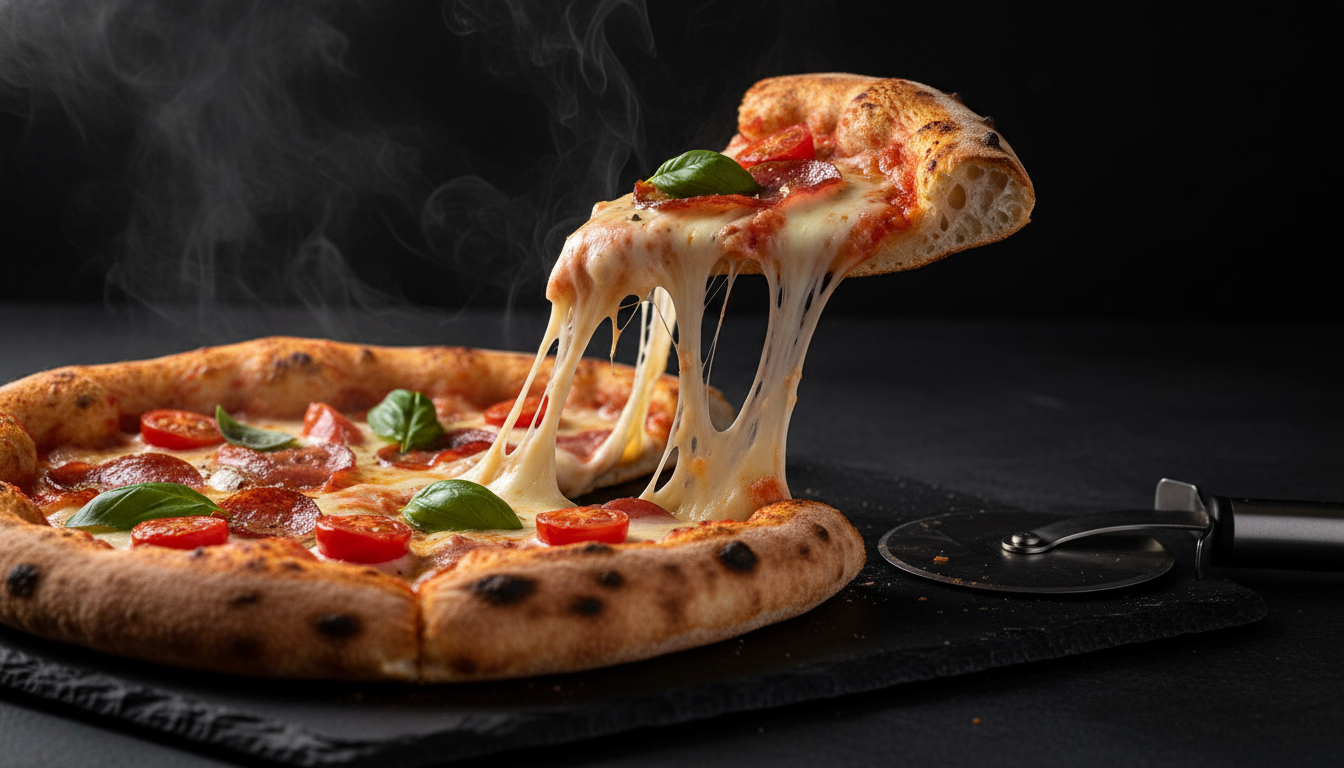
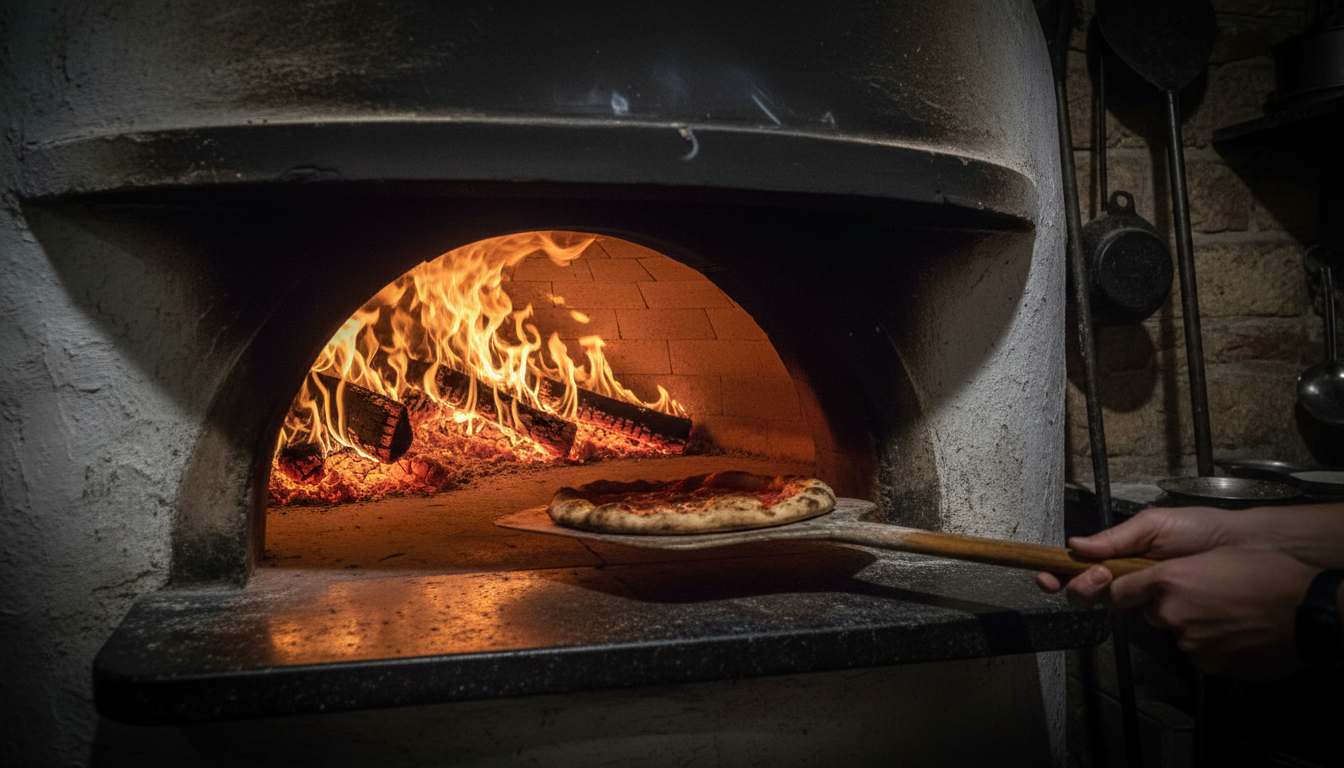
    You can have the best dough in the world, but without the right heat, it’ll never reach its potential. Authentic Neapolitan pizza is baked in a wood-fired oven at temperatures between 800°F and 900°F (425–485°C) for just 60 to 90 seconds. That extreme heat does something no home oven can replicate: it simultaneously chars the outer crust (creating those coveted leopard-print black spots), steams the interior to airy perfection, and caramelizes the toppings without drying them out. The smoke from the hardwood fire adds a subtle, irreplaceable aromatic layer that you can smell from across the room.

    At Black Box Pizzaco, our ovens are loaded, our dough is fermented low and slow, and every pizza that comes out of that fire has been touched by hands that genuinely care about the craft. Whether you’re a purist who loves a classic Margherita or an adventurer hunting for the next great flavor combination, that commitment to process is baked into every single bite.

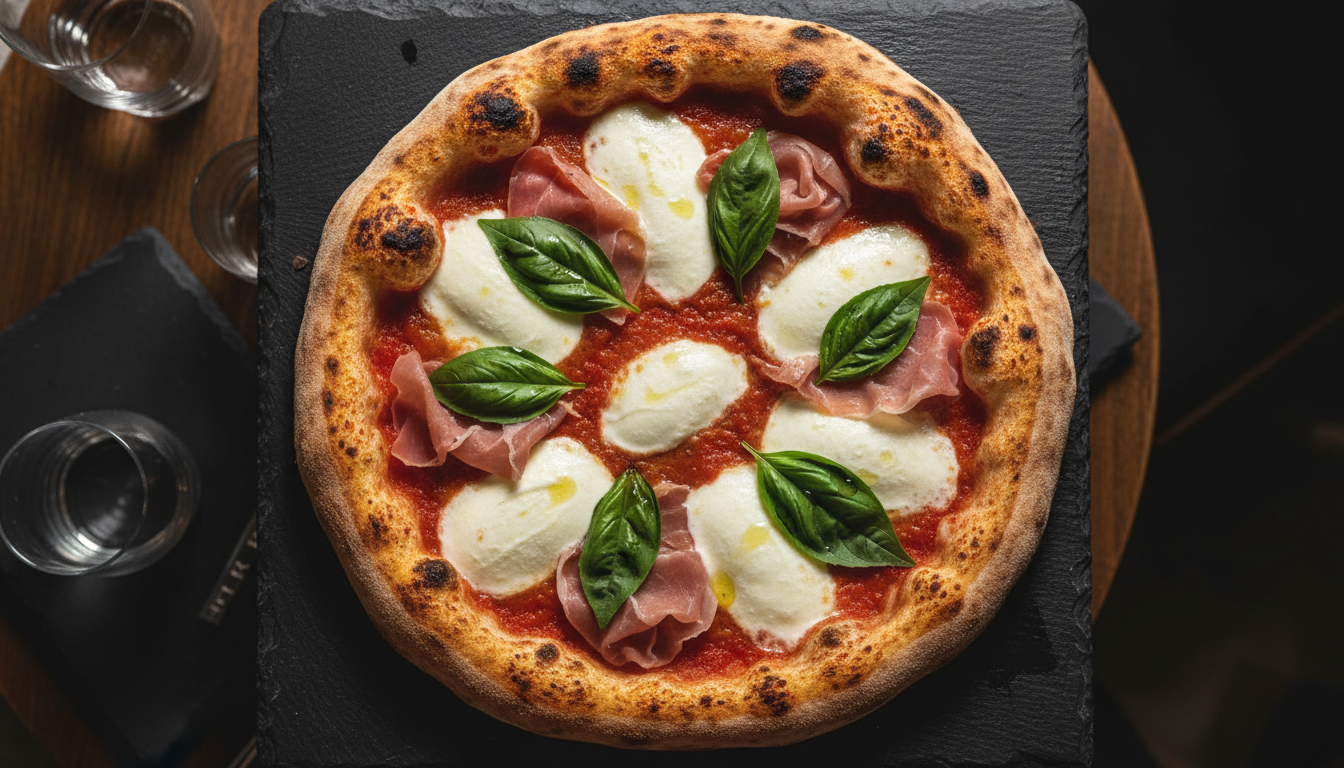
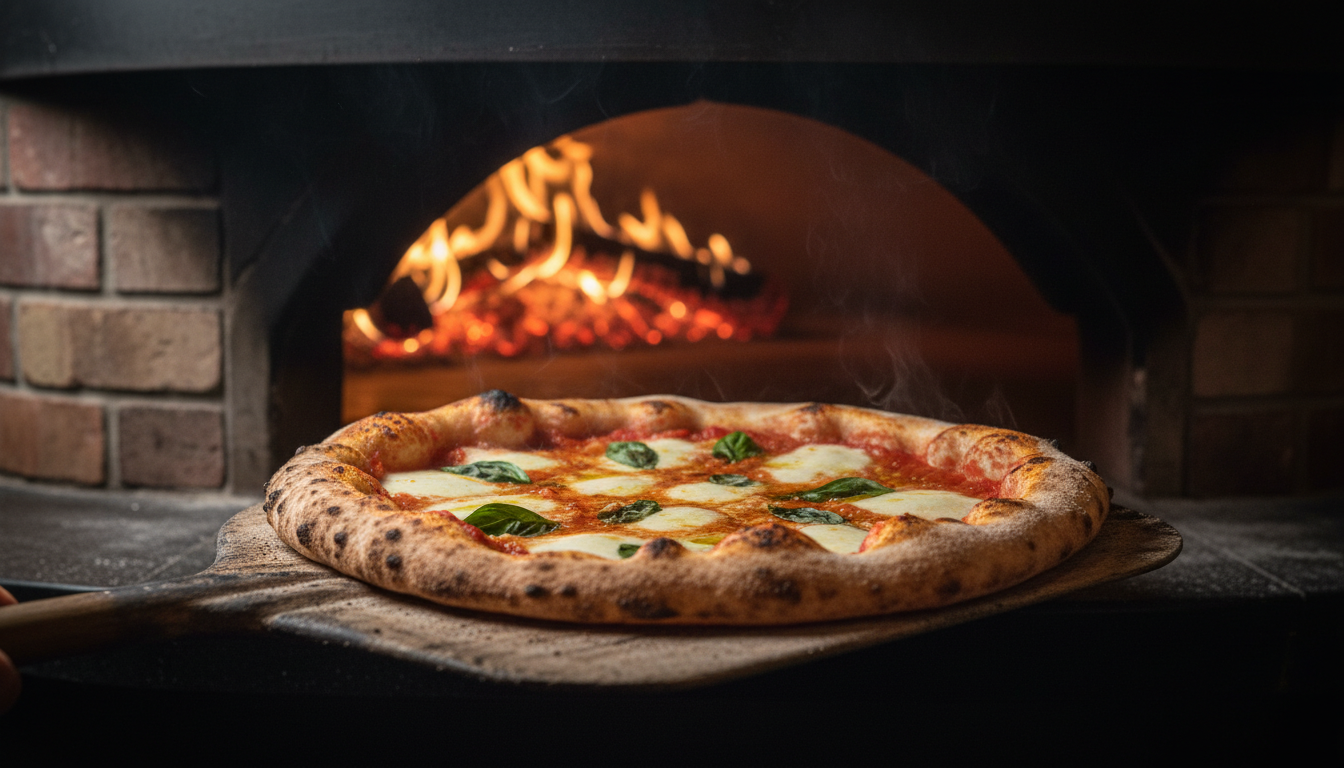
    Perfectly finished Neapolitan pizza served on a wooden board with charred crust and fresh toppings
    The finished product: a Neapolitan pizza with leopard-spotted crust, fresh mozzarella, and vibrant basil.

    The Takeaway (Besides the Pizza)

    Great pizza isn’t magic — it’s methodology. Quality flour, proper hydration, slow fermentation, hand-stretching, and blistering heat. Each step builds on the last, and skipping any one of them shows up immediately in your slice. The beauty of it is that once you understand why each step matters, every pizza you eat tells you a story about the people who made it.

    Come taste the story we’ve been perfecting at Black Box Pizzaco. We think you’ll taste the difference.

    Related Reading

  • Operation Epic Fury: One Month In — 12,300 Targets, $111 Oil, and a War with No End Date

    As of April 2, 2026 — Day 34 of Operation Epic Fury — the United States military campaign against Iran has grown into one of the most concentrated uses of American firepower in the modern era. What began on February 28, 2026, as a coordinated U.S.-Israeli strike on Iranian leadership, nuclear infrastructure, and ballistic missile sites, has now surpassed 12,300 targets struck, with no clear end date in sight. The conflict has reshaped the geopolitics of the Middle East, disrupted global oil markets, and drawn nations across 15 countries into its orbit.

    How It Started: A Daylight Strike Built on Intelligence

    In the early hours of February 28, 2026, Israeli and American forces launched a simultaneous coordinated offensive against Iran — striking in daylight, an unprecedented tactical choice designed to hit a gathering of senior Iranian leadership before they could disperse. The plan worked. Within hours, Iran confirmed the deaths of Supreme Leader Ali Khamenei, IRGC Commander Mohammad Pakpour, Defense Minister Amir Nasirzadeh, and multiple senior intelligence and military chiefs. In a single morning, Israel had decapitated the senior command structure of the Islamic Republic.

    President Donald Trump, addressing the nation, cited decades of Iranian-backed terrorism — from the 1983 Beirut barracks bombing to the October 7 Hamas attacks — as justification. “We’re doing this not for now,” Trump said. “We’re doing this for the future.”

    Iran’s retaliation was immediate and geographically sweeping. Tehran fired ballistic missiles and drones not just at Israel, but at Gulf states hosting U.S. forces: Bahrain, Qatar, Kuwait, Saudi Arabia, the UAE, Jordan, Turkey, and Oman. In doing so, Iran turned its last neutral neighbors into potential adversaries overnight.

    The Scorecard: One Month of “Epic Fury”

    By April 1, 2026, U.S. Central Command (CENTCOM) released a comprehensive operational update. The numbers are staggering: over 12,300 targets struck, more than 13,000 combat flights executed, and 155 Iranian naval vessels damaged or destroyed — including all 11 of Iran’s submarines. Iranian ballistic missile and drone attacks have dropped by 90% compared to the war’s opening days, a significant indicator of degraded launch capability.

    U.S. Secretary of War Pete Hegseth has described the pace as operating at “wartime speed,” with B-2 stealth bombers, F-35s, carrier strike groups, guided-missile destroyers, and submarine-launched Tomahawk cruise missiles all continuously deployed. The campaign opened with over 1,700 strikes in the first 72 hours alone.

    U.S. Targets Struck: Cumulative Growth by Week


    The Human Cost and Gulf-Wide Interceptions

    On the American side, 13 U.S. service members have been confirmed killed — seven in combat and six in a non-hostile KC-135 Stratotanker crash over western Iraq. Over 300 U.S. personnel have been wounded, with more than 200 already returned to duty. Some 50,000 American service members are currently deployed supporting the mission.

    Iran’s retaliation, while broad, has been largely neutralized by Gulf air defense systems. Nations across the region intercepted hundreds of Iranian ballistic missiles and drones. The UAE alone reported defeating 165 ballistic missiles, 2 cruise missiles, and 539 drones. Kuwait’s Air Defense Force engaged 97 ballistic missiles and 283 drones. Qatar intercepted 66 ballistic missiles and 12 drones. These interceptions represent a decisive asymmetry: Iran fired at everyone, but hit almost nothing of military significance.

    Iranian Missiles & Drones Intercepted by Gulf Nation

    Oil Markets, the Strait of Hormuz, and Escalation Risks

    The conflict’s economic shockwaves have been severe. Brent crude oil peaked at $111 per barrel in the third week of the war as Iran effectively closed the Strait of Hormuz — a chokepoint through which roughly one-fifth of all globally traded oil passes. CENTCOM destroyed 16 Iranian mine-laying vessels near the strait in mid-March to prevent the waterway from being permanently mined. Kuwait’s Al-Ahmadi and Mina Abdullah oil refineries were hit and forced to shut down, while Iraq halted production at a key oil field due to the disruptions.

    A new front opened when Hezbollah fired on Israel from Lebanon for the first time since the war began, and Yemen’s Houthi rebels launched a missile toward Israel on March 28 — extending the conflict’s active fronts well beyond Iran’s own borders. Iran’s new Supreme Leader, Mojtaba Khamenei (who succeeded his father, killed on Day 1), has vowed to continue fighting and warned neighboring Gulf states hosting U.S. forces to “shut down those bases as soon as possible.”

    Talks and Threats: Is an End in Sight?

    Despite the intense military pressure, diplomatic signals have emerged. Reports as of early April indicate that indirect talks between the U.S. and Iran are ongoing, with President Trump describing them as “on the right trajectory.” However, Trump simultaneously threatened to strike Iranian power plants if a deal is not reached by April 6, 2026 — a deadline that underscores both the urgency and the fragility of any potential resolution.

    The Trump administration has claimed near-total degradation of Iran’s missile capabilities, though independent assessments suggest only about one-third of Iran’s missile capacity has been verifiably eliminated — far short of the stated war objective. Secretary of State Marco Rubio has framed the goal as destroying Iran’s ability to produce missiles and drones at their source: factories, raw material facilities, and engine production complexes.

    Conclusion: A War With No Clear Exit

    Operation Epic Fury has produced dramatic military results — a decapitated Iranian leadership, a degraded navy, and sharply reduced missile fire — but it has also produced 13 American dead, a closed shipping strait, $111 oil, and a region teetering on broader war. As the campaign enters its fifth week with talks underway but no ceasefire announced, the world watches to see whether the most intensive American military operation in decades will end in a negotiated deal or a deepening quagmire. The next 72 hours, with the April 6 deadline looming, may prove decisive.

  • From Naples to Dubai: The Secret Ingredients Behind Our Premium Pizzas

    From Naples to Dubai: The Secret Ingredients Behind Our Premium Pizzas

    Pizza is more than food — it is a philosophy. At Black Box Pizzaco, every pie we craft is a tribute to a centuries-old Neapolitan tradition, reimagined with the finest ingredients the world has to offer and brought to life in the heart of Dubai. But what separates a truly exceptional pizza from an ordinary one? The answer lies in obsessive attention to three things: the dough, the ingredients, and the fire.

    The Soul of Every Pizza: Hand-Stretched Dough

    Our dough is made fresh daily using a slow cold-fermentation process that spans a minimum of 48 hours. This unhurried method allows the gluten to relax fully, yielding a crust that is simultaneously airy and chewy — with those coveted charred, blistered edges that tell you it has been kissed by serious heat. We use imported Caputo 00 flour, milled in Naples, to ensure the texture is as authentic as it gets. There are no shortcuts here.

    Chef hand-stretching fresh pizza dough in the Black Box Pizzaco kitchen

    Ingredients That Travel the World

    You cannot fake great pizza with mediocre ingredients. That is why we source exclusively from producers who share our obsession with quality. Our San Marzano tomatoes arrive from the volcanic plains of Mount Vesuvius — a UNESCO-protected growing region renowned for producing the world’s most intensely flavored tomatoes. Our buffalo mozzarella is flown in from Campania twice a week, still packed in its own whey for maximum freshness.

    For our premium offerings, we go even further: shaved black truffles from Périgord, aged 24-month Parmigiano-Reggiano, and single-estate cold-pressed olive oil from Puglia. Every element on the pizza earns its place — nothing is there by accident.

    Premium pizza ingredients: San Marzano tomatoes, buffalo mozzarella, basil and black truffles

    The Fire Makes All the Difference

    Great dough. Great ingredients. Now comes the moment of truth: the oven. Our wood-fired oven reaches temperatures between 450 and 500°C — hot enough to cook a pizza to perfection in under 90 seconds. That intense, rapid heat is what creates the signature leopard-spotted crust, the bubbling molten cheese, and the subtle smokiness that no conventional oven can replicate. Each pizza is rotated by hand throughout the bake, ensuring even charring and a result that is nothing short of spectacular.

    Perfect artisan pizza with melted mozzarella cheese pull at Black Box Pizzaco

    A Premium Experience in the Heart of JLT

    Located in Cluster B, Lake View Tower in Jumeirah Lakes Towers, Black Box Pizzaco is where Dubai’s most discerning palates come when they want the real thing. Whether you dine in or order delivery within 5 km, every pizza that leaves our kitchen is a product of craft, passion, and an uncompromising pursuit of perfection.

    Taste the difference. Order yours today or visit us at JLT and let us show you what pizza was always meant to be.

    Related Reading

  • The Art of the Perfect Pizza: Craft, Fire, and Obsession

    The Art of the Perfect Pizza: Craft, Fire, and Obsession

    There’s a reason pizza has conquered the world. From the cobblestone streets of Naples to the neon-lit corners of New York City, this humble dish — flour, water, fire, and a handful of carefully chosen ingredients — has become the universal language of comfort, celebration, and pure, unapologetic deliciousness. At Black Box Pizza Co., we believe that a truly great pizza isn’t just a meal. It’s a craft. And like any craft worth mastering, it demands passion, precision, and the very best ingredients you can find.

    So what separates a forgettable slice from one that stops you mid-bite and makes you close your eyes? Let’s take you inside the process — from the very first fold of dough to the moment it slides out of a blazing hot oven — and show you exactly what goes into making a pizza that’s worth every single bite.

    It All Starts with the Dough

    Ask any pizza purist and they’ll tell you the same thing: the dough is everything. It’s the foundation upon which all other flavors are built, and getting it right requires both science and intuition. At its core, great pizza dough is simple — high-quality “00” flour, water, a touch of salt, a pinch of yeast, and time. Lots of time.

    We cold-ferment our dough for a minimum of 48 hours. This slow fermentation process breaks down the starches in the flour, developing a complexity of flavor that you simply cannot rush. The result is a crust that’s light, airy, and slightly tangy — with those gorgeous charred bubbles that tell you it’s been kissed by real fire.

    Chef's hands expertly stretching fresh pizza dough on a floured wooden surface
    Every base is hand-stretched — never rolled — to preserve the air pockets that make our crust so light.

    The stretch is just as important as the mix. We hand-stretch every single base, never rolling it with a pin, which would crush the air pockets that make the crust so beautifully light. It’s a skill that takes time to master — feeling the dough relax under your palms, coaxing it wider without tearing — but that connection between maker and dough is part of what makes the final product so special.

    The Magic of Premium Toppings

    Once you have an extraordinary dough, the next rule is just as important: don’t bury it. Great pizza isn’t about piling on as many toppings as possible. It’s about choosing ingredients that are exceptional on their own and letting them shine together in perfect balance.

    We source our San Marzano tomatoes from the volcanic plains south of Mount Vesuvius — the only place in the world where the combination of soil, climate, and tradition produces a tomato with that unmistakable balance of sweetness and acidity. Our buffalo mozzarella arrives fresh, never frozen, and is pulled by hand before it hits the pie. Fresh basil, high-quality extra virgin olive oil, sea salt — every element earns its place.

    Colorful fresh pizza toppings arranged on a rustic wooden board
    We source only the finest seasonal ingredients for our pies.

    For our specialty pies, we work with local suppliers and seasonal produce to keep things exciting and fresh. Roasted garlic, wild mushrooms, house-made fennel sausage, charred peppers — these aren’t afterthoughts. They’re the result of constant tasting, sourcing, and refining. Because when you start with ingredients this good, the pizza practically makes itself.

    The Oven: Where the Magic Becomes Real

    Everything comes together in the heat of the oven. And we mean serious heat. Our wood-fired oven runs at over 900°F (480°C), and a pizza spends just 60 to 90 seconds inside. In that brief, ferocious window, something extraordinary happens: the dough puffs up and chars in just the right spots, the cheese melts into silky pools, the sauce caramelizes slightly at the edges, and every aroma intensifies into something greater than the sum of its parts.

    A traditional wood-fired pizza oven with orange flames and a pizza being slid inside
    Our wood-fired oven reaches over 900°F for that perfect blistered crust.

    Wood firing isn’t just about heat — it’s about flavor. The smoke from seasoned hardwood infuses a subtle, unmistakable quality into every pizza that an electric or gas oven simply cannot replicate. Managing a wood-fired oven is an art form in itself: knowing how to build and maintain the fire, how to rotate the pie at exactly the right moment, how to read the color of the crust and the behavior of the cheese. Our pizzaiolos train for months to earn that instinct.

    Why Craft Pizza Matters

    In a world of fast food and frozen shortcuts, craft pizza is a quiet act of resistance. It’s a commitment to doing things the right way — not the quick way. It’s an acknowledgment that the person eating deserves food that was made with care, skill, and genuine love for the craft.

    At Black Box Pizza Co., every pizza that comes out of our kitchen carries that commitment. Whether you’re in for a quick lunch or celebrating something special, we want each bite to remind you of what pizza can truly be when it’s made by people who care deeply about their work.

    Come hungry. Leave a believer.

    Related Reading

  • One Year of Liberation Day Tariffs: The Promises vs. the Hard Data

    One year ago today — April 2, 2025 — President Donald Trump stood in the White House Rose Garden and unveiled what he called “Liberation Day”: a sweeping set of country-specific tariffs that he promised would revive American manufacturing, slash the trade deficit, and deliver prosperity to working-class families. Twelve months later, the data tells a very different story. Far from being liberated, American workers have watched factories close, wages stagnate, and household costs climb by an average of $1,700 per year.

    The Jobs That Never Came Back

    The Trump administration’s central promise was a manufacturing renaissance. Instead, the opposite has occurred. According to new analysis from the Center for American Progress using Bureau of Labor Statistics data, the United States has lost 89,000 manufacturing jobs in the ten months following Liberation Day — equivalent to the closure of more than 2,800 average-sized factories across the country. Manufacturing contracted for eight consecutive months straight after the tariff announcement, and not a single month since April 2025 has seen manufacturing employment grow.

    The damage didn’t stop at the factory floor. Transportation and warehousing — industries deeply intertwined with manufacturing supply chains — shed 123,700 jobs as demand for freight declined alongside cuts in business and consumer spending. Retailers cut 25,000 positions in December alone, a sign that holiday hiring was far weaker than in previous years. All told, 189,600 blue-collar jobs have been lost since Liberation Day.

    A Tale of Two Administrations

    To understand the magnitude of this reversal, it helps to compare the current labor market with what came before. Under the Biden administration, the average U.S. state added more than 7,400 blue-collar jobs per year from 2021 through 2024. That momentum, driven by landmark legislation like the CHIPS and Science Act and the Inflation Reduction Act, had been pushing manufacturing construction to historic highs — investment peaked at a 78% year-over-year increase in early 2023.

    Since Liberation Day, the script has flipped entirely. The average state has lost more than 2,500 blue-collar jobs in the 10 months following the tariff announcement. In 45 out of 50 states, blue-collar job creation fell below the annual average seen under the previous administration. North Carolina, for example, went from gaining over 8,000 blue-collar jobs per year to losing nearly 2,000. Manufacturing construction investment plummeted by 14% from December 2024 to December 2025 — a drop comparable to the pandemic-era collapse of 2020.

    Promises vs. Reality: The Triple Failure

    The tariff agenda was sold on three pillars: revive manufacturing, shrink the trade deficit, and raise wages for American workers. On all three counts, the results have been the inverse of what was promised.

    The trade deficit in goods hit a record high in 2025, according to the Bureau of Economic Analysis. While some U.S. importers reduced purchases from China, they simply shifted sourcing to other overseas suppliers rather than bringing production home. Meanwhile, small-business bankruptcies rose 10% over the past year, and large corporate bankruptcies reached their highest level since 2010. A January 2026 poll by the Council on Foreign Relations found that 65% of Americans reported that tariffs made a wide range of everyday goods less affordable — and rightly so, as the average household absorbed an extra $1,700 in costs between February 2025 and January 2026 as a direct result of the import levies.

    For working Americans, this is the cruelest arithmetic of all: wages that do grow are being outpaced by tariff-driven inflation, leaving real purchasing power effectively flat or negative for millions of households. Economists increasingly describe the labor market’s challenges as structural rather than cyclical — meaning interest rate cuts offer limited relief.

    What Comes Next?

    The legal landscape around the tariffs has also grown turbulent. The U.S. Supreme Court ruled the International Emergency Economic Powers Act (IEEPA) tariffs illegal, though the administration has signaled its intent to recreate them under alternative legal authorities. A new global tariff has already been imposed using a different statute, suggesting the trade war is far from over.

    For the manufacturing communities, rural economies, and working families that were promised renewal, the one-year anniversary of Liberation Day offers a sobering ledger: 189,600 blue-collar jobs gone, $1,700 drained from household budgets, record trade deficits, and a manufacturing construction free-fall. The liberation promised never arrived — and for now, the costs keep climbing.

  • Samurai Swords on Pawn Stars: Legends, Fakes, and Hidden Treasures Uncovered

    A Window Into Feudal Japan: What Pawn Stars Teaches Us About Samurai Swords

    Few antiques capture the imagination quite like a Japanese samurai sword. These weapons are more than tools of war — they are masterworks of metallurgy, cultural artifacts steeped in centuries of ritual, honor, and craftsmanship. In a compelling series of segments on Pawn Stars, Rick Harrison and his team encounter a fascinating range of samurai blades and armaments, each carrying its own incredible backstory. From World War II war prizes to priceless Tokugawa-era heirlooms and outright Chinese fakes, these encounters offer a surprisingly rich education in Japanese history and sword collecting.

    The 1863 Ceremonial Katana: A Blade for the Emperor

    The first sword brought into the Gold & Silver Pawn Shop belonged to Debbie Jo, whose father-in-law had carried it home from Japan after World War II. At first glance, Rick recognized it as a genuine piece of history, part of the long tradition of “spoils of war” that soldiers brought home from every major conflict. The blade was inscribed with the word Jōi, roughly meaning reverence for the Imperial family — not, as a Japanese child had apparently told the family, a “sword for beheading Christians.”

    Appraiser Mike Yamasaki revealed the sword’s true identity: forged in 1863 by a swordsmith named Nagahiro, it was presented to the Lord of Chōshū during Japan’s turbulent Boshin Civil War, a conflict that pitted loyalists to Emperor Kōmei against the ruling Tokugawa military shogunate. A sword personally owned by a feudal lord is an exceptionally rare find. Yamasaki valued it at $10,000. Rick ultimately purchased it for $6,000, recognizing it as a multi-year restoration and resale project — but well worth the investment.

    Key Facts About Katana Construction

    • Katanas are forged from a specialized steel called tamahagane (meaning “jeweled steel”)
    • The steel is folded between 8 and 16 times during the forging process to remove impurities
    • The word katana combines kata (side) and na (blade)
    • After Japan’s defeat in WWII, the production of katanas was temporarily banned by occupying Allied forces

    The Yoshitsugu Sword: Worth Its Weight in Sand Rail

    The next memorable sword came from a car dealer named Davey, who had impulsively taken it in trade on a vehicle deal — without ever having it appraised. The sword came with official-looking Japanese paperwork suggesting it dated to around 1500. Rick called in weapons specialist Rocco, who carefully disassembled the handle to examine the tang — the metal extension of the blade hidden inside the grip — where a Japanese swordsmith would traditionally inscribe his name.

    Rocco confirmed the signature: Yoshitsugu, a prominent and respected sword maker from the late 1500s. The blade was in excellent condition. Rocco valued it between $15,000 and $20,000. Rick offered $10,000 in cash, but the negotiation took a creative turn: Davey had been eyeing a sand rail that Rick had taken in trade a year earlier. After some back-and-forth, they agreed on a trade — the Yoshitsugu sword in exchange for Rick’s sand rail plus $8,000 in cash. It was an unusual deal, but it showed just how versatile high-quality antique swords can be as currency in a collector’s world.

    The Fake Koeda Ishida: A $200 Sword with a $1,000,000 Price Tag

    Not every sword that walks through the pawn shop door is the real thing. Chuck arrived claiming to have a katana signed by Koeda Ishida, possibly a descendant of Mitsunari Ishida — the famous general who fought at the Battle of Sekigahara in 1600. He was asking $1,000,000.

    Appraiser Mike Yamasaki quickly exposed the truth. After removing the handle and examining the tang, he found the signature was not Ishida at all, but Iwamatsu Shinjo — and critically, there is no such maker as “Ishida Koeda” in the historical record. Furthermore, the sword’s construction was wrong: a genuine Kamakura-period sword would have its signature on the opposite side of the tang. The verdict was definitive — the sword was a Chinese reproduction, likely manufactured around 15 years prior. Its real value? Somewhere between $50 and $200. No deal was made.

    How to Spot a Fake Samurai Sword

    • Verify the swordsmith’s name on the tang against historical records
    • Check which side of the tang the signature appears on — period-correct placement matters
    • Assess the layering of the steel: genuine swords can have up to 33,000 layers
    • Look for a natural hamon (temper line) along the blade edge — fakes often use acid etching
    • Be skeptical of unusually wide valuation ranges (e.g., “$20,000 to $100,000”) without expert documentation

    The Higo Mount: A Scabbard with a Secret

    Craig brought in what appeared to be a complete samurai sword — but it was only a scabbard, or koshirae (the full mounting assembly). The blade was long gone. Appraiser Yamasaki explained why this was actually common: after WWII, General Douglas MacArthur ordered all Japanese swords to be surrendered, but only the blades were considered weapons. Mountings — handles, guards, and scabbards — were permitted to remain with their owners. Many families kept the ornamental parts while the blades were confiscated.

    This particular mounting was identified as a Higo-style mount, originating from southern Japan, dating to the early 1800s. The swordsmiths of Higo were renowned for forging blades for Japanese royalty. But the real surprise came when Yamasaki discovered a hidden coin pocket inside the scabbard — a secret compartment historically used to conceal gold coins worth up to $10,000. Unfortunately, the original coins had been replaced with worthless reproductions. Even so, the rarity of finding such a set intact made it highly collectible, worth approximately $8,000. Corey bought it for $5,000.

    The Yasutsugu Sword: A Tokugawa Treasure

    Perhaps the most historically significant piece in the episode was a sword that David had acquired as payment for a $300 debt. He believed it was a Yasutsugu sword from around 1600 and asked $5,000. Corey offered $800, eventually settling on $1,500 — a figure that turned out to be a remarkable bargain.

    When Yamasaki examined it, the results were extraordinary. The signature confirmed: it was indeed by Yasutsugu, a swordsmith who worked exclusively for high-level samurai — never for merchants or commoners. More striking still, the blade bore the family crest of the Tokugawa clan, the dynasty that ruled Japan for 250 years. In feudal Japan, using this mark without authorization was a capital offense — not just for the offender, but for their entire family. After professional restoration including re-polishing and re-wrapping the handle, the sword was valued at $15,000.

    The Samurai Helmet: A Roadside Discovery in Utah

    During a solo road trip through Utah, Rick stumbled across an antique shop in a small town called Hurricane. Inside, he found a genuine Kabuto — a samurai helmet from the late Edo period (early 1600s to 1868). The shop owner was asking $300. Rick didn’t hesitate to tell the man he was vastly underpricing it, noting it could retail for as much as $2,500. The final sale price was $1,650 — still a favorable deal for Rick and far above what the seller expected.

    Samurai helmets, or kabuto, were extraordinarily complex pieces of engineering, assembled from over 100 individual metal parts. Japanese armor, including helmets, has been documented in use as far back as 1181 A.D.

    The Modern Ryumon: When New Meets Ancient Craft

    Not every sword in the shop is an antique. The team also featured a modern Ryumon sword, manufactured in 2006 in Longquan, China — a city with over 2,600 years of sword-making heritage, often called the “City of the Treasure Sword.” Unlike cheap decorative replicas, this blade was hand-forged to exact historical specifications using fine carbon steel — the best available in modern metallurgy. The shop was asking $1,250; a customer named Mark negotiated it down to $1,000.

    The modern sword serves as an interesting counterpoint to the ancient pieces in the episode. While it lacks the historical provenance, it demonstrates that the craft of sword-making is still very much alive — and that quality can be achieved without centuries of age.

    Key Takeaways

    • Provenance matters enormously. A sword tied to a named lord, general, or ruling family can be worth many times more than an identical blade with unknown history.
    • The tang tells the truth. The hidden metal portion inside the handle holds the swordsmith’s signature — and it’s the primary tool experts use to authenticate a blade.
    • Fakes are common and convincing. Reproductions made in China can fool the untrained eye; always consult a certified appraiser before buying or selling.
    • WWII created a unique collector’s market. Thousands of genuine samurai swords entered Western hands as war prizes, and many still circulate today with incomplete or inaccurate histories.
    • Restoration adds value. A blade in poor condition can still be a worthwhile investment if the provenance is strong — professional polishing and re-mounting can significantly increase market value.
    • Not just swords. Samurai accessories — helmets, scabbards, coin pockets — carry their own historical and monetary value, often overlooked by casual collectors.
    • Japanese metallurgy was centuries ahead of its time. Tamahagane steel, folded dozens of times to eliminate impurities, produced blades whose cutting ability was unmatched in the pre-industrial world.
  • Indonesia’s Deadly M7.6 Earthquake Triggers Tsunami Waves Across the Molucca Sea

    A powerful magnitude 7.6 earthquake struck Indonesia’s Northern Molucca Sea in the early hours of Thursday, April 2, 2026, shaking buildings across the region, triggering small tsunami waves along several coastlines, and killing at least one person. While initial warnings raised fears of a catastrophic tsunami reaching multiple nations, authorities lifted all alerts within hours — but the event serves as a stark reminder of the seismic dangers lurking beneath one of the world’s most geologically volatile regions.

    The Earthquake: What Happened

    According to the United States Geological Survey (USGS), the quake struck at a depth of approximately 35 kilometres beneath the seafloor, with its epicentre located roughly 580 kilometres south of the Philippine coast and approximately 1,000 kilometres from Malaysia’s Sabah state. The tremors were felt strongly for 10 to 20 seconds across Bitung City and Ternate City, sending panicked residents running into the streets.

    In Manado, the capital of North Sulawesi province, part of a building used by the local sports authority collapsed under the force of the shaking, killing one person struck by falling rubble. Witnesses described scenes of chaos as power was cut to neighbourhoods and items were hurled from shelves. “People ran out of their houses in panic,” one Manado resident told Reuters.

    Tsunami Threat: Alarm, Then Relief

    Within minutes of the quake, Indonesia’s meteorology and geophysics agency BMKG issued a tsunami warning, with modelling suggesting waves of between 0.5 metres and 3 metres were possible. The US Pacific Tsunami Warning Center echoed the concern, flagging hazardous tsunami potential for the coasts of Indonesia, the Philippines, and Malaysia, as well as smaller risks for Guam, Japan, Papua New Guinea, and Taiwan.

    In the end, the tsunami waves that did arrive were far smaller than feared. BMKG reported waves at five coastal monitoring locations, with the highest reaching 0.75 metres at North Minahasa in North Sulawesi. By mid-morning, all tsunami warnings had been lifted. The Philippines’ seismology agency Phivolcs confirmed “no destructive tsunami threat,” while Japan’s meteorological agency noted potential waves of up to 0.2 metres — well below dangerous levels.

    Tsunami Wave Heights Recorded at Coastal Stations

    April 2, 2026 — Northern Molucca Sea Earthquake (Source: BMKG)

    Aftershocks and Ongoing Danger

    In the hours following the main event, BMKG recorded approximately 50 aftershocks, the largest registering magnitude 5.8. Indonesia’s national disaster agency urged citizens to remain cautious and stay away from damaged structures. “Due to the potential for aftershocks, residents should remain calm and follow guidance,” spokesperson Abdul Muhari said, adding that a full damage assessment was still underway.

    Initial damage reports described minor to moderate destruction to several houses and a church. While the USGS assessed the likelihood of further casualties as “low” and economic damage as expected to be limited, the trauma of the event — and the very real possibility of continued seismic activity — left many communities on edge.

    Indonesia and the Ring of Fire: A Dangerous Geography

    This earthquake did not occur in a vacuum. Indonesia sits at the intersection of multiple tectonic plates within the Pacific Ring of Fire — a vast, horseshoe-shaped belt of seismic and volcanic activity that encircles the Pacific Ocean, stretching from South America through North America, across the Pacific, and down through Japan, the Philippines, and Indonesia to New Zealand. The region is responsible for approximately 90% of the world’s earthquakes and 75% of its active volcanoes.

    The USGS noted that nine other earthquakes of magnitude 7.0 or greater have occurred within 250 kilometres of Thursday’s epicentre over the past 50 years — none of which caused extensive damage, offering some historical perspective, though little comfort to those who lived through this week’s event.

    M7.0+ Earthquakes Within 250 km of Epicentre (1975–2026)

    Historical seismic frequency in the Northern Molucca Sea region (Source: USGS)

    The Broader Regional Impact

    Beyond Indonesia, the reverberations of Thursday’s quake were felt diplomatically and logistically across the region. The Philippines activated emergency monitoring protocols, Malaysia placed its meteorological department on standby, and Japan issued precautionary advisories to coastal communities. The swift international response — and equally swift de-escalation — reflected lessons learned from the catastrophic 2004 Indian Ocean tsunami, which killed over 200,000 people and exposed devastating gaps in early warning infrastructure.

    Today, the region benefits from the Indian Ocean Tsunami Warning and Mitigation System (IOTWMS), a network of sea-level monitoring stations, seismographs, and communication protocols that allows agencies to rapidly assess threats and disseminate warnings — a system that functioned as intended on Thursday morning.

    Looking Ahead

    With structural assessments still ongoing and aftershocks continuing to rattle the region, the full picture of Thursday’s earthquake will take days to emerge. Indonesia’s disaster management agency BNPB has deployed teams to the most affected areas, while local authorities in North Sulawesi have set up temporary shelters for displaced residents.

    For now, the earthquake serves as a powerful reminder of the immense geological forces that shape life across the Indonesian archipelago — a nation of over 270 million people spread across more than 17,000 islands, many of them perched directly atop some of the most tectonically active terrain on Earth. In Indonesia, the ground is never truly still.

  • Artemis II Launches: Humanity Returns to the Moon for the First Time in 53 Years

    In a moment that sent chills down the spines of millions of space enthusiasts around the world, NASA’s Artemis II rocket thundered off Launch Pad 39B at Kennedy Space Center on April 1, 2026, at 6:35 p.m. EDT — marking humanity’s first crewed journey toward the Moon in 53 years. Four brave astronauts are now hurtling through deep space on a nine-and-a-half-day mission that will carry them farther from Earth than any humans have ever traveled.

    A Mission 50 Years in the Making

    The last time astronauts ventured to the Moon was during Apollo 17 in December 1972. Since then, generations of scientists, engineers, and dreamers have worked tirelessly to return. Artemis II is not a landing — it is a critical crewed lunar flyby test flight designed to verify that the Orion spacecraft, the Space Launch System (SLS), and all life-support systems can safely carry humans to the Moon and back. If successful, it paves the way for Artemis III, which aims to land astronauts on the lunar surface in 2028.

    Meet the Crew

    The four astronauts selected for this historic mission represent a blend of experience, diversity, and courage:

    • Commander Reid Wiseman (50) — U.S. Navy aviator and NASA astronaut with 165 days aboard the ISS.
    • Pilot Victor Glover (49) — Navy Captain, veteran of 400+ carrier flights, 168 days in space on the ISS.
    • Mission Specialist Christina Koch (47) — Electrical engineer and holder of the record for the longest single spaceflight by a woman (328 days).
    • Mission Specialist Jeremy Hansen (50) — Canadian Space Agency astronaut and the first Canadian ever to travel beyond low-Earth orbit. This is his first spaceflight.

    Together, they bring a wealth of technical expertise and personal resilience to the most complex and demanding space mission since Apollo. Commander Wiseman described launch day as “a crazy first day,” noting that the crew must verify every critical system — life support, communications, navigation, and even waste management — before committing to the journey to the Moon.

    Crew Spaceflight Experience at a Glance

    The chart below illustrates how much prior spaceflight experience each crew member brings to the mission. Christina Koch stands out with the most time logged in space, while Jeremy Hansen embarks on his very first mission to the stars.

    🚀 Artemis II Crew — Prior Days in Space

    (function() { var ctx = document.getElementById(‘crewExperienceChart’).getContext(‘2d’); new Chart(ctx, { type: ‘bar’, data: { labels: [‘Reid Wisemann(Commander)’, ‘Victor Glovern(Pilot)’, ‘Christina Kochn(Mission Spec.)’, ‘Jeremy Hansenn(Mission Spec.)’], datasets: [{ label: ‘Days in Space (Prior Missions)’, data: [165, 168, 328, 0], backgroundColor: [ ‘rgba(30, 90, 200, 0.82)’, ‘rgba(0, 160, 200, 0.82)’, ‘rgba(200, 60, 120, 0.82)’, ‘rgba(100, 180, 80, 0.82)’ ], borderColor: [ ‘rgba(30, 90, 200, 1)’, ‘rgba(0, 160, 200, 1)’, ‘rgba(200, 60, 120, 1)’, ‘rgba(100, 180, 80, 1)’ ], borderWidth: 2, borderRadius: 6 }] }, options: { responsive: true, indexAxis: ‘y’, plugins: { legend: { display: false }, tooltip: { callbacks: { label: function(ctx) { return ctx.raw === 0 ? ‘ First spaceflight!’ : ‘ ‘ + ctx.raw + ‘ days’; } } } }, scales: { x: { beginAtZero: true, title: { display: true, text: ‘Days in Space’, font: { size: 13 } }, ticks: { font: { size: 12 } } }, y: { ticks: { font: { size: 12 } } } } } }); })();

    The Rocket That’s Rewriting History

    Artemis II launched atop NASA’s Space Launch System (SLS), the most powerful operational rocket in the world. Standing 322 feet tall and weighing 5.7 million pounds at liftoff, the SLS generates an earth-shaking 8.8 million pounds of thrust — powered by two extended solid-fuel boosters and four shuttle-era main engines consuming a combined 756,000 gallons of cryogenic propellant. This is only the SLS’s second flight in history, and the first with humans on board.

    After liftoff, the Orion capsule conducted a 24-hour orbital shakedown of Earth, reaching an apogee of 43,760 miles — already higher than any humans have flown since the final Apollo mission in 1972. A “trans-lunar injection” (TLI) engine burn then set the crew on their free-return trajectory toward the Moon, propelling them at speeds exceeding 24,000 mph.

    Artemis II’s Journey: Distance from Earth Over Time

    One of the most breathtaking statistics of this mission is the sheer distance the crew will travel. At the peak of their lunar flyby, they will be 252,000 miles from Earth — smashing every human distance record ever set. The chart below traces the crew’s distance from Earth across the 9.5-day mission profile.

    🌕 Mission Distance from Earth (Miles) — Day by Day

    (function() { var ctx2 = document.getElementById(‘missionDistanceChart’).getContext(‘2d’); new Chart(ctx2, { type: ‘line’, data: { labels: [‘Day 0n(Launch)’, ‘Day 1n(Earth Orbit)’, ‘Day 2n(TLI Burn)’, ‘Day 3’, ‘Day 4’, ‘Day 5n(Moon Flyby)’, ‘Day 6’, ‘Day 7’, ‘Day 8’, ‘Day 9.5n(Splashdown)’], datasets: [{ label: ‘Distance from Earth (miles)’, data: [0, 43760, 100000, 175000, 220000, 252000, 220000, 160000, 90000, 0], borderColor: ‘rgba(30, 90, 200, 1)’, backgroundColor: ‘rgba(30, 90, 200, 0.12)’, borderWidth: 3, pointBackgroundColor: function(ctx) { var index = ctx.dataIndex; return index === 5 ? ‘rgba(200, 60, 120, 1)’ : ‘rgba(30, 90, 200, 1)’; }, pointRadius: function(ctx) { return ctx.dataIndex === 5 ? 9 : 5; }, fill: true, tension: 0.4 }] }, options: { responsive: true, plugins: { legend: { display: false }, tooltip: { callbacks: { label: function(ctx) { return ‘ ‘ + ctx.raw.toLocaleString() + ‘ miles from Earth’; } } }, annotation: {} }, scales: { y: { beginAtZero: true, title: { display: true, text: ‘Miles from Earth’, font: { size: 13 } }, ticks: { callback: function(value) { return value.toLocaleString(); }, font: { size: 11 } } }, x: { ticks: { font: { size: 11 } } } } } }); })();

    A Glimpse at the Far Side — and the Future

    Unlike Apollo missions that orbited the Moon, Artemis II will use a “free return” trajectory — looping behind the far side of the Moon, coming within approximately 6,000 miles of the lunar surface, before lunar gravity naturally slings the capsule back toward Earth. The crew is expected to witness a solar eclipse from space due to the timing of the mission, making for an unforgettable view from Orion’s windows.

    NASA Administrator Jared Isaacman called the mission “the opening act in a series of missions that will send astronauts to and from the moon with great frequency as we return to stay.” Plans include Artemis III — a historic Moon landing in 2028 — and longer-term construction of a permanent lunar base.

    Why Artemis II Matters

    Beyond the technical milestones, Artemis II carries profound symbolic weight. In an era of geopolitical tension, climate uncertainty, and social division, watching four astronauts rocket toward the Moon reminds us of what humanity can achieve when it dares to dream big. Mission specialist Jeremy Hansen — a Canadian and first-timer — put it perfectly before launch: “I’m very optimistic. I truly believe the most likely outcome is we’ll all be totally fine when we hit the Pacific Ocean nine and a half days later.”

    Splashdown is scheduled for April 10, 2026 in the Pacific Ocean. As the world watches, holds its breath, and looks up at the sky, the Artemis generation has officially begun. The Moon is within reach once more — and this time, humanity intends to stay.

    New to this site? Learn more about us and what we cover.
  • Hello world!

    Welcome to WordPress. This is your first post. Edit or delete it, then start writing!

    Check out our latest article: Artemis II Launches: Humanity Returns to the Moon for the First Time in 53 Years.

💣
💣 Сапёр
Игра
Новая игра
Начинающий
Любитель
Эксперт
Справка
Как играть
010
😊
000
Нажмите на клетку чтобы начать